
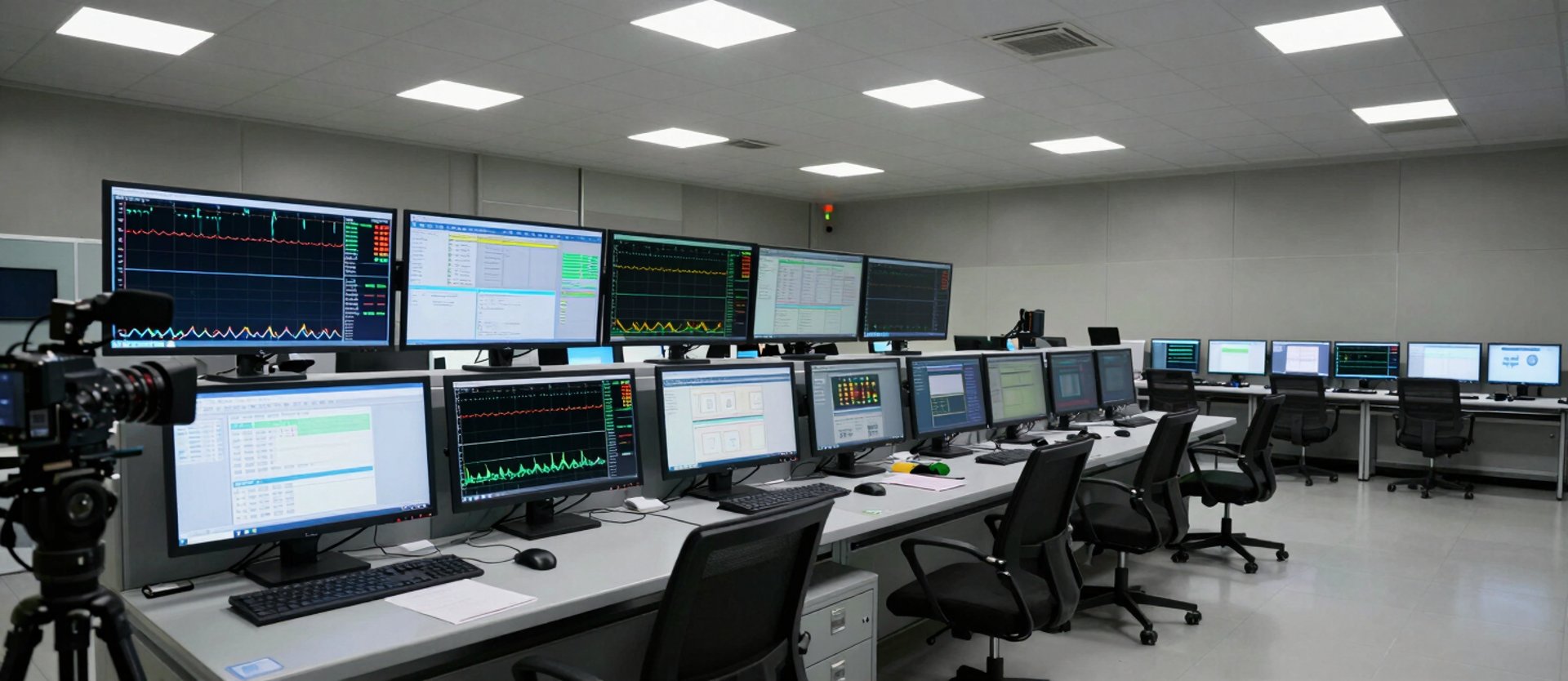
Measurement, Control and Reporting — From Sensor to Dashboard
Independent support for monitoring concept design, BMS/EMS/SCADA specification, alarm logic and efficiency reporting. Structured around real infrastructure, not generic targets.
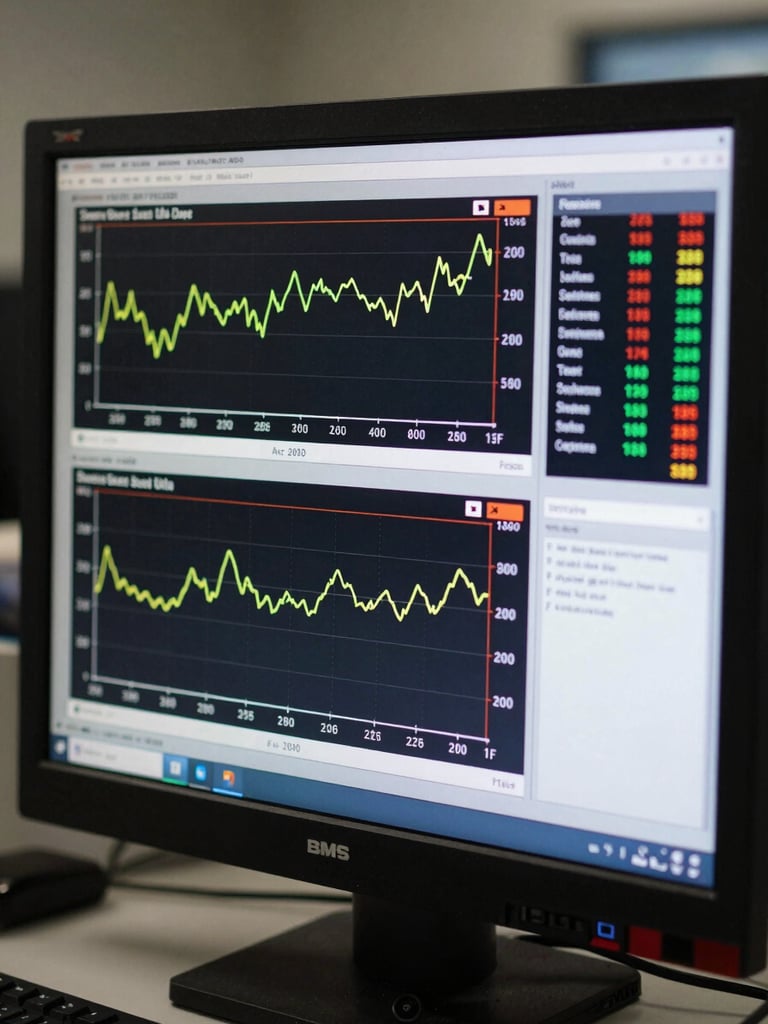
Structured from Measurement Point to Alarm Logic
Work begins with an energy audit: identifying what is measured, what is missing, and what the existing instrumentation actually covers. Gaps are documented before any dashboard is specified.
Monitoring concept — measurement point mapping, sensor selection, data acquisition architecture and integration with BMS/EMS/SCADA platforms.
Alarm logic and threshold definition — named parameters, named setpoints, escalation sequences and operator response requirements.
Dashboard specification and reporting — KPI selection, trend views, consumption breakdowns and efficiency reporting aligned to actual load profiles.
Named Equipment, Named Parameters, Named Thresholds
Energy Audit
BMS / EMS / SCADA Specification
Reporting & Optimisation
On-site review of metering infrastructure, sensor coverage, sub-metering gaps and existing control logic. Findings documented with specific equipment references.
Consumption reporting design, efficiency recommendations with named parameters, and control automation support for facilities running EMS or SCADA infrastructure.
Dashboard and alarm logic specification: KPIs, data points, setpoints and escalation rules written for implementation, not for presentation.
Need a monitoring concept or BMS audit?
Bring the infrastructure details. Energy Polder works from measurement point to final report — field access, independent findings, no generic targets.